Why Regular Gutter Maintenance Matters for Homes in Norwalk
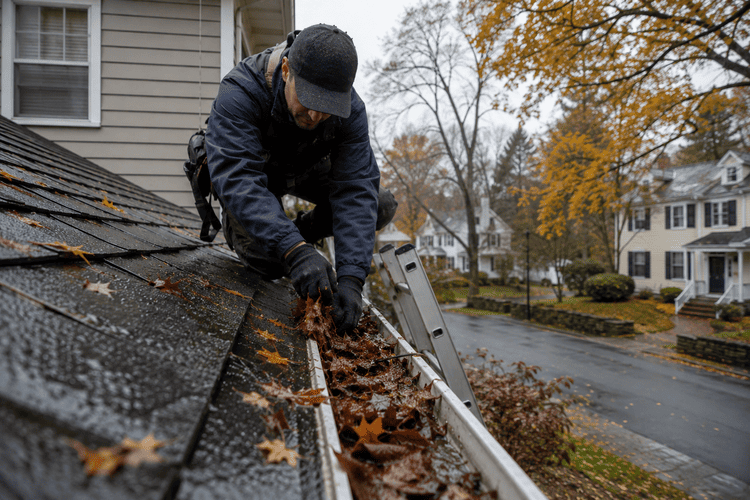
Every six months, homeowners in Connecticut battle the region’s harsh climate, which takes a heavy toll on roofing systems. Heavy autumn leaf fall, followed by winter snowdrifts and spring thunderstorms, places a massive strain on the drainage system. If regular maintenance is neglected, accumulated debris will completely block the free flow of water, leading to basement flooding and foundation settlement.
How Norwalk’s Coastal Climate Accelerates Gutter Damage
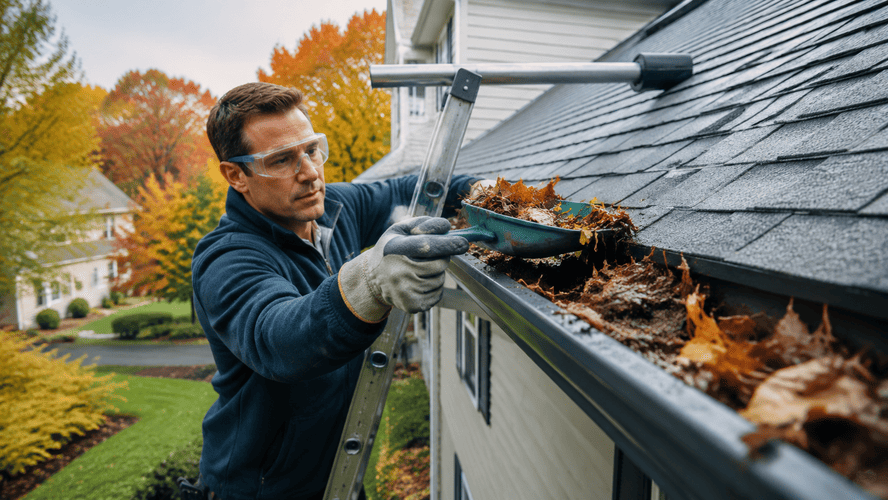
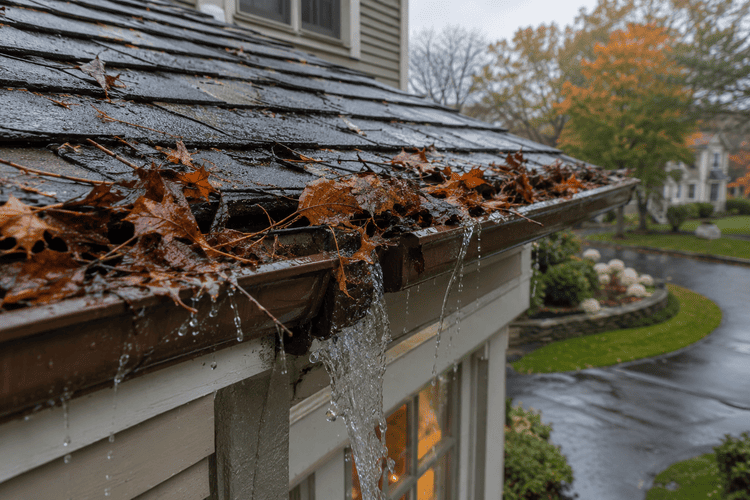
The weather near the ocean is harsh, so gutter maintenance Norwalk becomes an absolute necessity exactly twice a year. High humidity from water, combined with sudden temperature swings outdoors, accelerates the decay of leaves inside the drains. When dry debris, branches, and pine needles completely block the internal channels, rainwater overflows directly over the edges of the downspouts. Such gutter issues Norwalk homes typically lead to rotting of the facade trim, the growth of black mold, and the erosion of the soil around the building’s foundation.
With the arrival of winter, the situation becomes more dangerous due to ice plugs freezing inside the downspouts. Ice expands significantly and increases the total weight of the entire system fivefold, breaking brackets and bending protective metal profiles. A timely inspection and manual cleaning help eliminate these hidden threats and keep the roof intact throughout the winter.
What Regular Gutter Maintenance Prevents in Norwalk Homes
The money spent on keeping exterior drainage gutters clean pays for itself immediately by extending the service life of roofing materials. Understanding the importance of gutter maintenance saves homeowners from unexpected expenses for major roof repairs. Clean gutters easily handle any volume of water, directing the flow directly into storm drains. With this approach, moisture never reaches the foundation, which protects the building’s concrete base from deep cracks.
Moreover, a dry metal gutter does not attract birds, mice, and beetles, which like to gather piles of old leaves to raise their young. Regular maintenance of the system prevents water from stagnating, which causes a sharp, unpleasant odor near windows.
6 Warning Signs Your Norwalk Gutters Need Immediate Attention
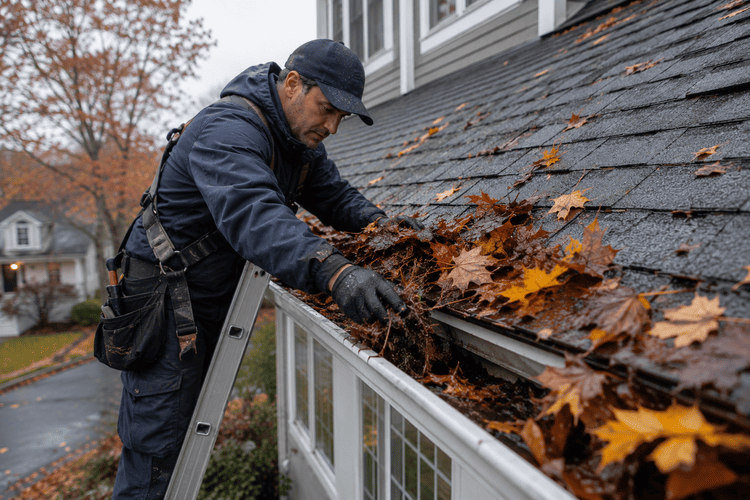
Most often, severe clogs form in enclosed areas, such as pipe bends or the elbows of vertical downspouts. Professional gutter cleaning Norwalk, CT is urgently needed if you notice obvious defects during a routine inspection of the walls from the ground.
Key signs to call a specialized team:
- the appearance of dirty gray streaks and stains on facade panels or eaves;
- sagging metal gutters under the weight of wet soil and decaying grass;
- rapid growth of green moss or weeds directly in the upper horizontal pipes;
- water splashing near the foundation even during light summer rain;
- fastening loops breaking away from the roof fascia under the weight of ice buildup.
Constant monitoring of these issues helps spot damage early on, when repairs take the least amount of time. By learning about the benefits of regular gutter cleaning, homeowners realize that scheduled cleaning is significantly cheaper than buying new pipes to replace fallen sections.
How to Protect Your Norwalk Home’s Foundation Year-Round
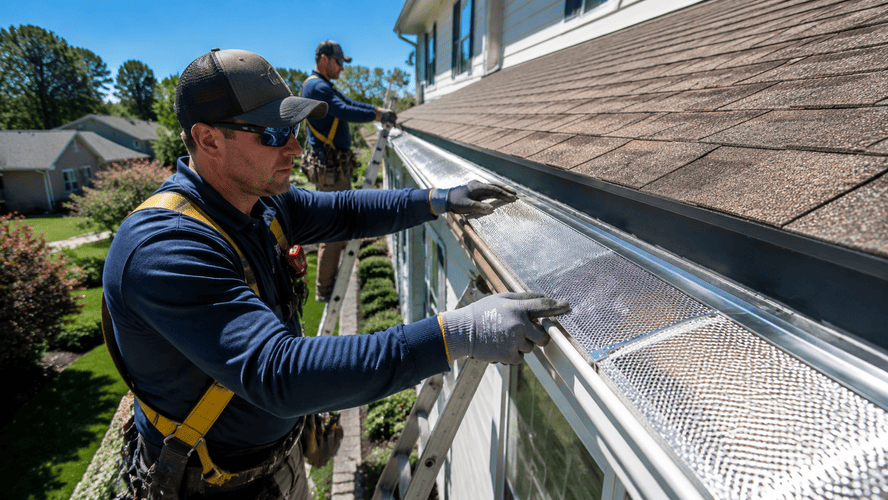
The main way to protect the wooden frame and concrete walls from deterioration is to create a reliable barrier against moisture. To completely prevent gutter damage Norwalk, you need to combine cleaning out debris with checking the watertightness of the gutter joints. Even a small gap in a seam allows water to seep through, which will freeze in winter and simply tear the metal or plastic apart. Experts recommend installing dense protective screens that catch large debris but allow water to pass through easily.
You also need to ensure the proper slope of the entire gutter system to prevent water from pooling in dead-end areas. If the slope is incorrect, water will sit in the gutters for weeks, causing rust on the fasteners even in the absence of dry leaves.
DIY vs. Professional Gutter Maintenance in Norwalk: What to Choose
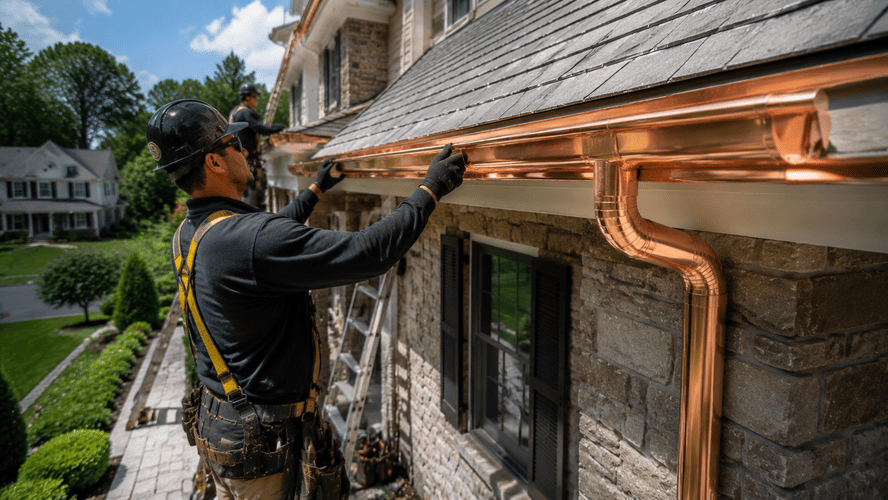
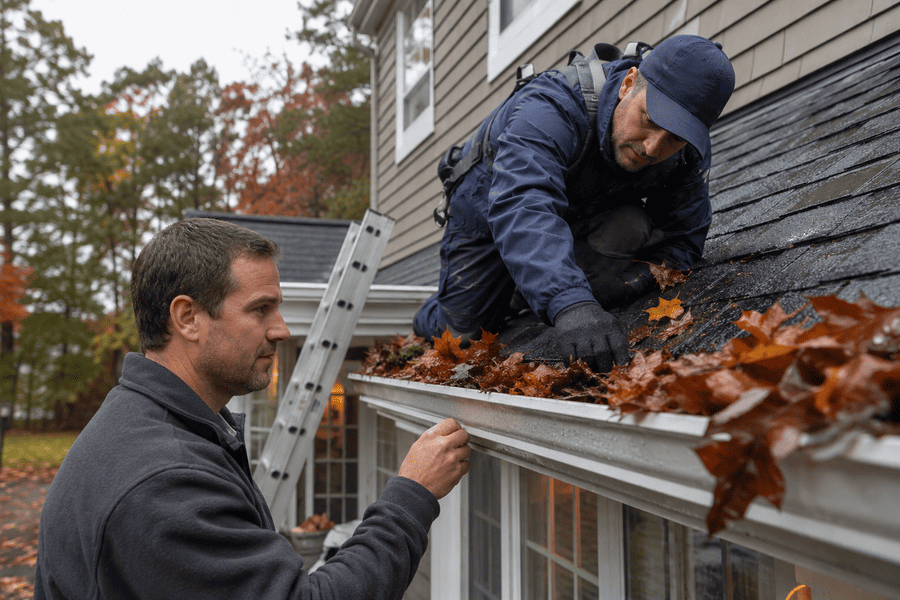
Attempts to clean debris at great heights on your own using a wobbly extension ladder often result in falls and damage to roof panels. The right approach is to call trained professionals equipped with safety climbing gear and powerful vacuum pumps. Professional gutter service Norwalk, CT, includes not only debris removal but also high-pressure pipe flushing to check the functionality of hidden downspouts. The Elite Gutter Care team is ready to take care of all your seasonal gutter maintenance needs in Connecticut.
FAQ
How often should gutters be cleaned in Norwalk, CT?
Most Norwalk homeowners need professional gutter cleaning twice per year: once in late November after leaf drop, and once in early spring (late March–April) before the rainy season. Because Norwalk is a coastal town, salt air from Long Island Sound speeds up corrosion on aluminum and steel gutters — so annual inspections for rust and joint gaps are especially important here, even if cleaning was done recently.
What makes gutter maintenance in Norwalk different from other CT towns?
Norwalk’s coastal location brings higher year-round humidity and salt-laden air. This combination corrodes gutter fasteners and seams faster than in inland Connecticut towns. Gutters that would last 20+ years in Danbury may show rust and joint separation in 12–15 years in Norwalk. Regular inspection for early corrosion is more critical here than maintenance schedules alone would suggest.
What happens to a Norwalk home if gutters are not maintained?
Water overflow from clogged gutters in Norwalk runs directly against the foundation. Given the town’s ground-level proximity to waterways and the naturally high water table in coastal areas, basement flooding is a frequent consequence. Salt-loaded water sitting in corroded gutters also accelerates damage to fascia boards and soffit, which can cost $800–$2,500 to replace per section.
What are the signs that Norwalk gutters need immediate attention?
Six warning signs to watch for: (1) water overflowing the gutter edge during rain, (2) visible sagging or sections pulling away from the house, (3) orange rust stains on the siding below the gutter, (4) peeling paint on the fascia boards, (5) damp or water-stained spots on the ceiling or attic walls, and (6) visible debris piles visible from the ground after storms. Any two of these together indicate an urgent service need.