What Time of Year Is Best for Gutter Cleaning in Connecticut?
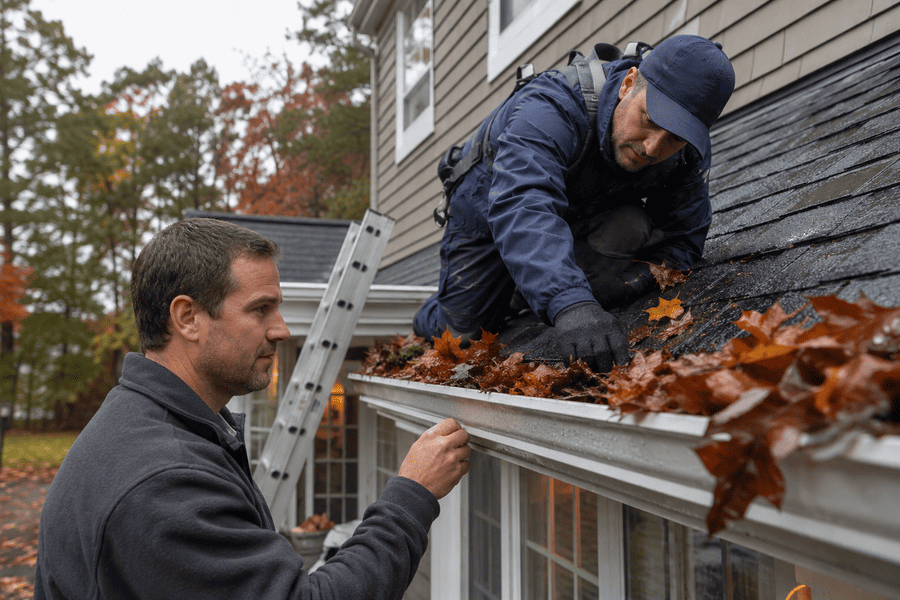
The comfort of your home depends directly on the reliability of your roofing system, which bears the brunt of inclement weather. Many homeowners in Connecticut only think about how often to clean their gutters per year when, during a heavy downpour, water begins to overflow the edge of the facade. Timely maintenance of the structure prevents the rotting of roof components, damage to the foundation, and the growth of mold inside the walls.
How Connecticut’s Climate Affects Your Gutter Cleaning Schedule
Our state’s climate is marked by distinct seasons, heavy snowfall in winter, and prolonged rains in the off-season. Because of this, generic American advice from the internet often doesn’t work at the local level. Oaks and maples lose foliage at different times, and sharp drops in temperature freeze trapped muck inside downspouts before sunrise.
The best time to clean gutters in the region is directly linked to the life cycle of the local flora. Homeowners can easily avoid urgent, costly pipe repairs by shifting maintenance dates to weeks of heavy leaf drop. Forgetting about local weather quirks causes complete drain failure right during intense November rainstorms.
Fall vs. Spring Gutter Cleaning in CT: Which Matters More?
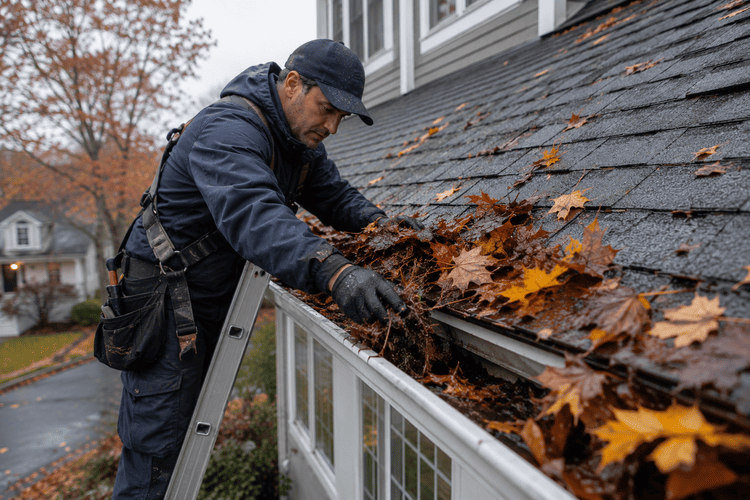
Property owners usually argue about which part of the year works best for roof drainage maintenance. If we look closely at gutter cleaning in fall versus spring, both timeframes deal with entirely different types of clogs. Pre-winter work clears away brittle oak leaves, heavy twigs, and pine needles so that freezing water cannot burst the metal pipes.
April or May servicing deals with tree blossoms, flying seeds, and sand washed down by slush. Warmer days also allow for a quick inspection of metal seams after months of ice pressure. Combining both steps gives houses maximum structural safety, because spring grime differs completely from brittle autumn waste.
The Ideal Gutter Cleaning Calendar for Connecticut Homeowners
Local practice proves that the most effective window for seasonal gutter cleaning CT opens in late November or the first days of December. Local trees finally drop their very last leaves by this date, which lets people clear the tracks just once before blizzards start. Early attempts in mid-October usually backfire because the remaining canopy fills the newly washed channels within days.
If you search for the best season for gutter cleaning after winter, pick late spring when buds stop falling. Heavy May rainstorms quickly show every leaking joint or sagging hanger on the roofline. Sticking to this precise two-part timeline keeps basements dry and prevents wood rot through months of unpredictable weather.
How Tree Cover and Roof Type Change Your CT Cleaning Schedule
The number of necessary procedures depends on the climate zone and the surroundings of the specific building. The presence of centuries-old pines or spreading oaks directly above the roof increases the risk of clogging several times over.
Key signs that the structures need urgent maintenance:
- the appearance of dark, damp spots on the facade cladding or brickwork;
- rapid growth of moss and small weeds directly in the horizontal gutters;
- sagging of metal fasteners under the weight of accumulated wet dirt;
- the formation of large icicles and ice crusts along the edges of the roof during the winter.
If you notice even one of these symptoms, you absolutely must not postpone maintenance work until the next season. Accumulated debris acts like a sponge, trapping moisture and accelerating metal corrosion.
Month-by-Month Gutter Maintenance Guide for Connecticut
To create an effective gutter cleaning schedule Connecticut, you should consider the density of the neighborhood and the amount of greenery on the property. For most standard residences in the state, two visits by professionals per year is the ideal solution. This allows for full control over water drainage and prevents emergencies. Regular preventive maintenance is cheaper than replacing warped brackets and repairing the foundation.
What to Do When You Find a Clogged Gutter in Connecticut
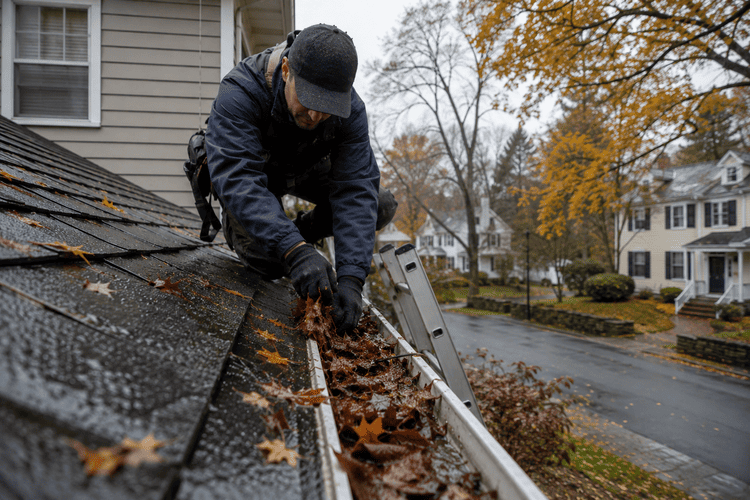
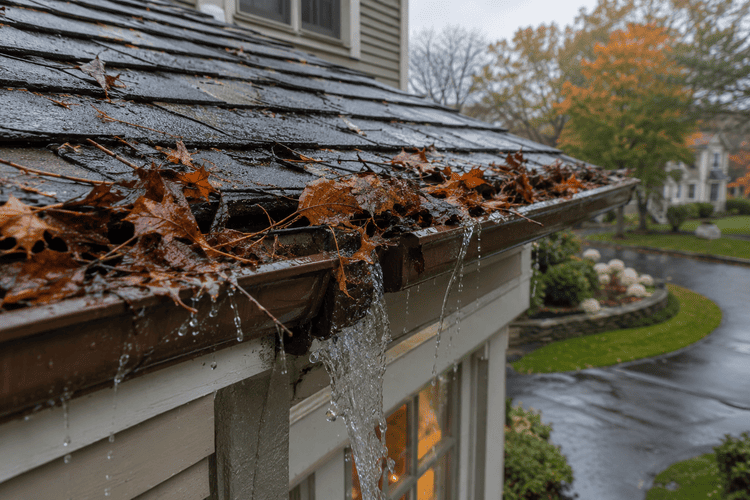
If you see a waterfall at your front door during a heavy rain, do not attempt to climb a slippery ladder on your own. Wet plastic and metal become extremely dangerous to work with without professional safety equipment.
Seeking expert help in a timely manner helps keep your home’s engineering systems in good working order all year round; we’ll advise you on when to clean your gutters Connecticut based on your specific situation. The Elite Gutter Care, CT team professionally performs cleaning, diagnostics, and repairs of drainage systems of any complexity throughout Connecticut.
FAQ
When is the best time of year to clean gutters in Connecticut?
The best times are late November — after leaves have fully dropped but before the ground freezes — and late March or early April, before Connecticut’s heavy spring rains. These two windows keep your drainage system clear during the two most challenging seasons: winter ice and spring flooding.
Is fall or spring more important for gutter cleaning in CT?
Both matter, but fall is usually the higher priority in Connecticut. Uncleaned gutters going into winter collect water that freezes into ice dams. Ice dams expand and contract with temperature changes, cracking gutter seams and backing water under roof shingles. Spring cleaning is critical to handle sediment, seeds, and debris that accumulate over winter.
How often do you need to clean gutters in Connecticut?
Twice a year is the standard for most Connecticut homes. However, homes with heavy tree cover — especially pine trees, which drop needles year-round — may need 3 or even 4 cleanings per year. A good rule of thumb: if you can see debris from the ground after a storm, it’s time to schedule a cleaning.
Can you clean gutters in winter in Connecticut?
It’s not recommended. Frozen gutters and icy rooflines are dangerous for anyone on a ladder. More importantly, cleaning frozen gutters can crack the metal seams. If you’ve missed the fall window, wait until late March when temperatures consistently stay above freezing before scheduling a cleaning.